The control plane is the dashboard: it holds the data, renders the deployment and decrypts secrets. A small agent on every server is the only thing that ever runs Docker. The two talk over mutual TLS with a pinned certificate.
The part exposed to the internet never holds a Docker socket, so reaching the panel is not root on the box. There is exactly one way to reach a server, and it is the same path for the local machine and a remote one.
The boring operational parts are already handled. You just have to pick what to deploy.
Point Deplo at a Next.js, Nuxt, SvelteKit, Astro or Remix repository and it builds, routes and serves it over HTTPS on your own server. No Dockerfile, no config, a public URL from the first deploy.
Connect GitHub, GitLab, Bitbucket or Gitea once and every push to your branch becomes a deploy. Open a pull request and reviewers get a live preview URL posted on it.
Connect Claude, ChatGPT, Cursor or any MCP-capable agent and let it deploy an app, read logs, explain a failed build or restart a database. It can only do what you allow.
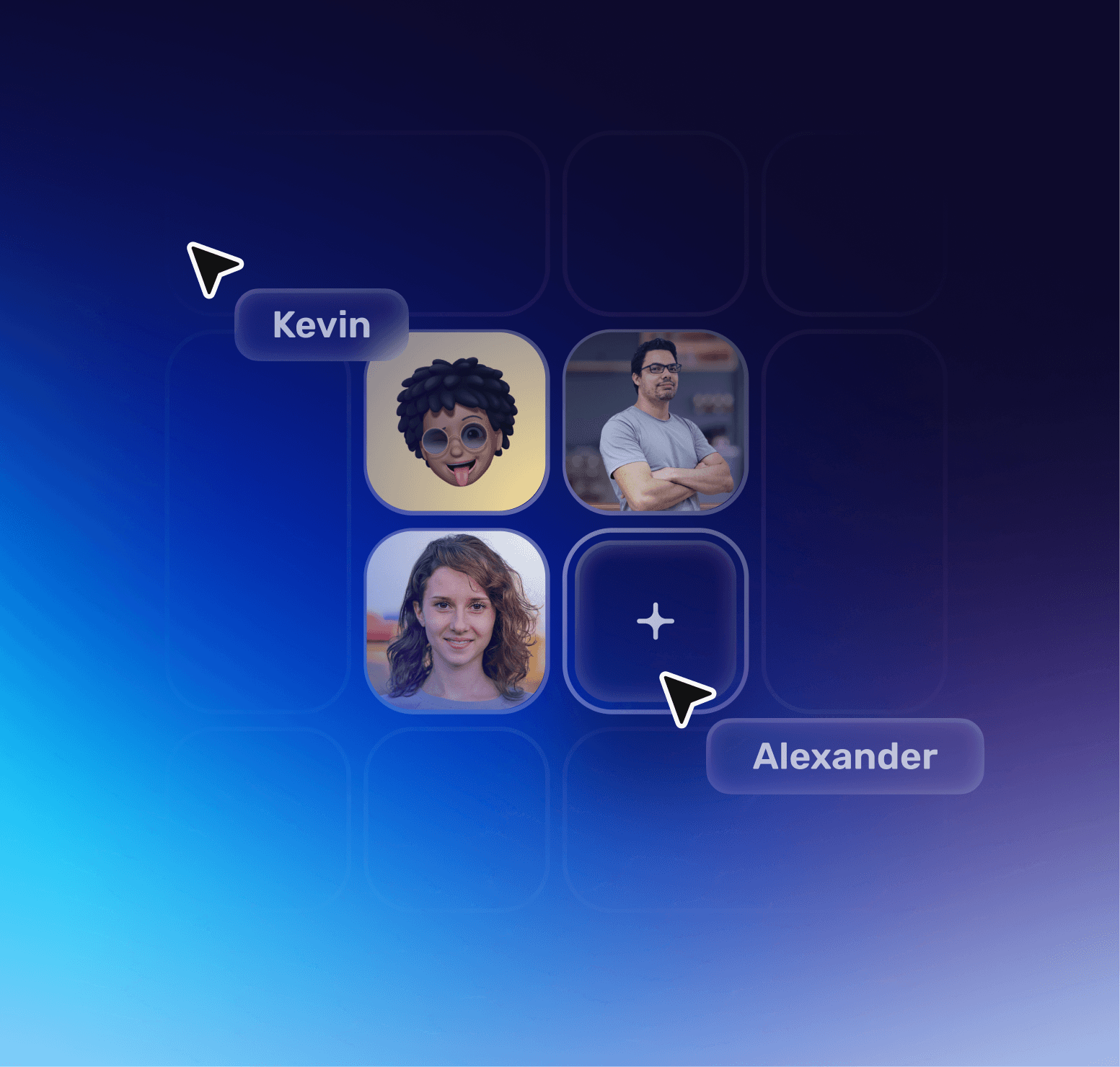
Teams, roles and 44 fine-grained capabilities, one action each. Give a contractor one folder, require two-factor for the people who can delete things, and see who did what on a single timeline.
The boring operational parts are already handled. You just have to pick what to deploy.
Nothing new to learn. The dashboard uses the words you already know, and shows what's happening at a glance.
Ask your coding agent to deploy, read the logs or roll back. It gets the same access a teammate does.
Deplo knows. Every action has a name and a time on it, and you decide who's allowed to do what in the first place.
Get a server from one of our hosting partners or use one you already have. Open source, no lock-in, and no bill that grows with your team.
Answer three questions and pick a host, or install Deplo on a server you already have. It's free, and leaving is as easy as arriving. What you do with the money you save is your business.